Top Posts
DIY Crochet Earmuff Patterns You’ll Actually Want to...
Pink Bow Baby Shower Theme
Table Cloth Bows for Baby Showers
Crochet Baby Bootie Centerpieces for Babyshowers
Free Haunting Handmade Item Caretag
What to Crochet for Halloween 2025
Tea Bag Gift Pouch
Scrappy Moss Stitch Coaster Pattern
The 20 Most Frequently Asked Crochet Questions Answered!
The Coolest Little Potholder Pattern
  • About
  • Crochet
    • Crochet Tips
    • Crochet Tools
    • Crochet Patterns
    • Crochet Printables
  • Crafting
  • Craft Organization
  • Contact Us
Hook and Paper
Make Something. You'll Feel Better.
Cricut Crafts

How to Clean Your Cricut Mats So They’re Sticky Again

by Brandy Burke May 21, 2025

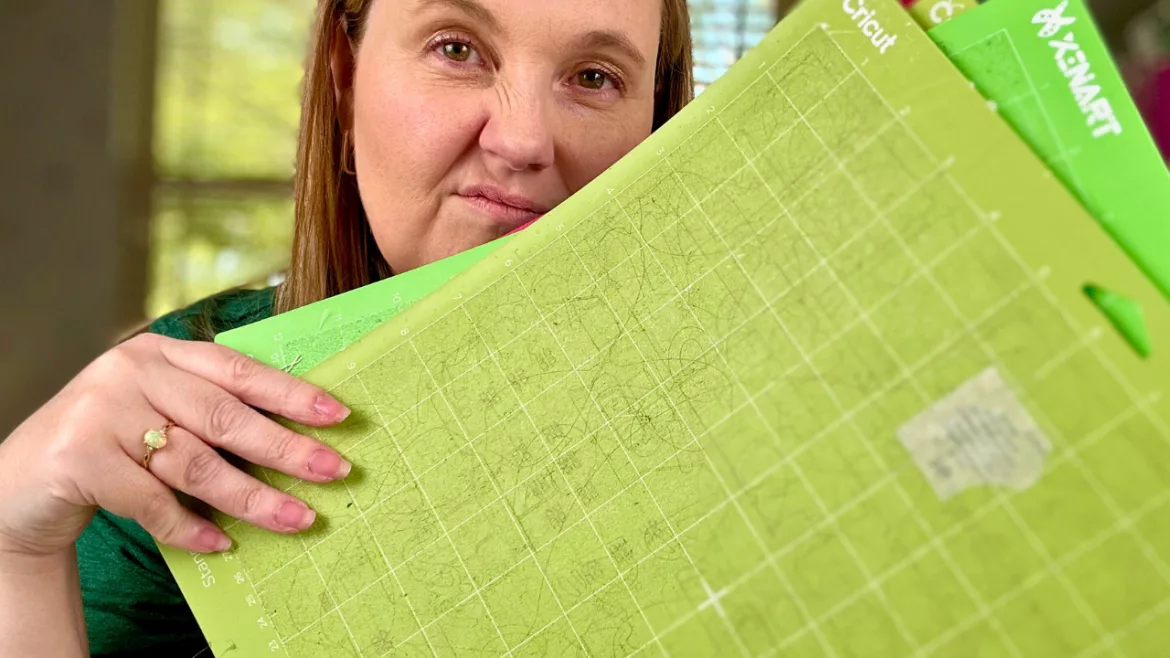
If you’re wondering how to clean your Cricut mats so they last longer and grip like new, you’re in the right place. Prior to learning how to clean cricut mats I would toss them when they lost their stick – and even though often I’d replace them with generic mats, the cost still adds up – I’d rather be spending my craft money on new supplies. Dirty mats can make your cuts inaccurate and ruin your materials, but the good news? You don’t need to toss them. With the right cleaning method, you can restore your Cricut mat’s stickiness and extend its life.

Here’s exactly how to clean your Cricut mats, step by step.

Why You Should Clean Your Cricut Mats

Every time you cut paper, vinyl, felt, or fabric, debris builds up on your mat. Over time, this reduces the tackiness, causes uneven cuts, and can even jam your machine. Cleaning your Cricut mats regularly keeps your projects precise and your wallet happy.

What You’ll Need to Clean Your Mats

I am an affiliate. This means if you click on links on this website and make a purchase, I may receive a small commission. Thanks for supporting my work.

Before we start, gather these tools and supplies:

  • Mild dish soap (like Dawn)
  • Warm water
  • A spray bottle
  • Scraper tool or old gift card
  • Alcohol-free baby wipes (for light cleaning)
  • Lint roller (optional but helpful)
  • Flat surface to air-dry your mat

How to Clean Your Cricut Mats: Step-by-Step Guide

Step 1: Light Cleaning (Great for Mild Use)

If your Cricut mat just has light debris or dust:

  1. Use a scraper to gently remove paper scraps.
  2. Wipe the mat with alcohol-free baby wipes. These are safe and won’t damage the adhesive.
  3. Let it air dry completely. It may feel stickier already!

Step 2: Deep Cleaning (For Heavily Used Mats or as needed)

If your mat has lost its stick or looks grimy, do this:

  1. Fill a spray bottle with warm water
  2. Add a couple drops of dish soap
  3. Spray the mats thoroughly and let set for a few minutes
  4. Use your scraper or a credit card to scrape all of the gunk away – use long sweeping motions
  5. Wipe with an alcohol free baby wipe
  6. Lay the mat flat and air dry completely. As it dries, you’ll notice the stickiness returning.

Step 3 (Optional): Restore Stickiness with Spray Adhesive

This is not Cricut-official and may void warranties, but many crafters swear by it for older mats.

If your mat is clean but still not sticky enough, try this:

  1. Use painter’s tape to mask off the non-sticky border of your mat.
  2. Lightly mist the mat with repositionable adhesive spray (like Aleene’s Tack-It Over & Over or Krylon Easy-Tack).
    • Alt – you can also run a Zig 2 way glue pen over it
  3. Let it dry fully before use.

How Often Should You Clean Your Cricut Mats?

How often you clean depends on how you use them:

  • Light use: every 8–10 projects
  • Frequent use: every 3–5 projects
  • Messy materials like felt or glitter paper: clean immediately after use

Pro Tips to Keep Your Cricut Mats Sticky Longer

  • Use a lint roller between cuts to lift debris.
  • Always replace the clear plastic sheet after use to protect the adhesive.
    • Pro tip: Add a vinyl design to your clear plastic sheet so you can easily find it!
  • Rotate between multiple mats to avoid overusing just one.

Final Thoughts on Caring for your Mats

Learning how to clean your Cricut mats is one of the best ways to save money, reduce waste, and keep your crafting stress-free. Whether you’re a paper crafter, vinyl wizard, or just getting started, this simple cleaning process helps your mats last longer and perform like new.
0 comments
0 FacebookTwitterPinterestEmail
Knitting

How to Care for Your Sentro Knitting Machine

by Brandy Burke May 13, 2025
I am an affiliate. This means if you click on a link on this website and make a purchase I may earn a small commission. Thanks for supporting my work.

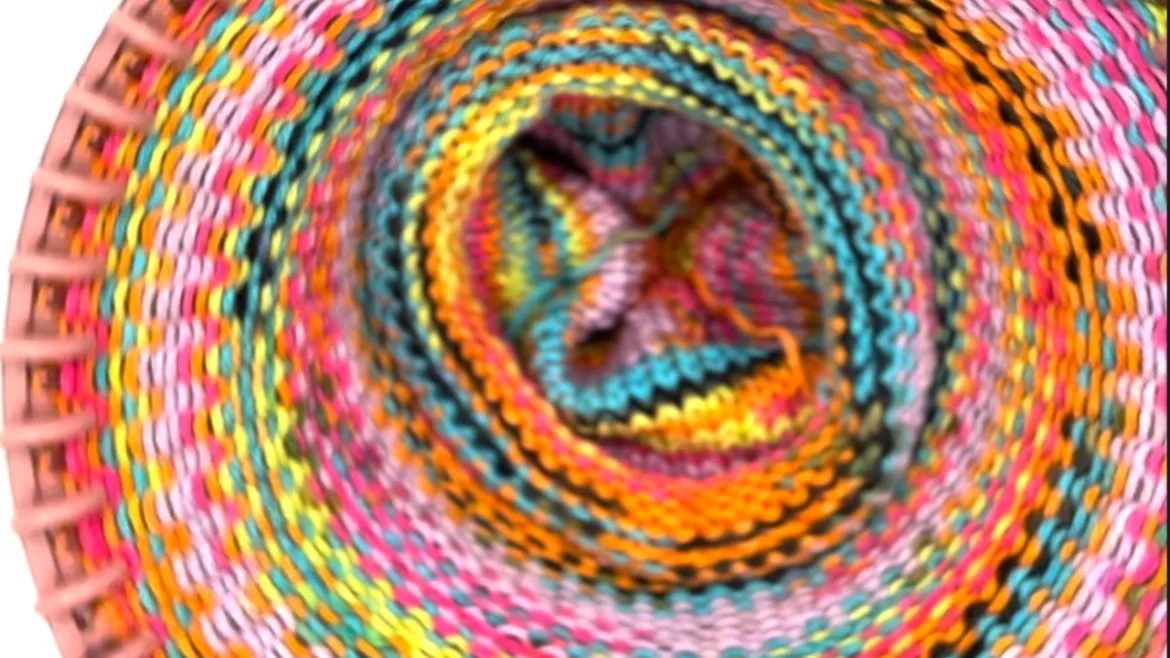
If you’ve ever been elbow-deep in a blanket project only to have your Sentro knitting machine start skipping stitches like it’s rebelling against your life choices, you’re not alone. These handy little circular knitting contraptions can be absolute magic—until they aren’t. The truth is, your Sentro needs love. And by love, I mean regular maintenance.

Let’s talk about how to keep your Sentro spinning happily with a little TLC and some oil – it’s probably holding on to more yarn crumbs than you thought possible.

1. Why Machine Maintenance Matters (Yes, Even for a Plastic Yarn Donut)

Your Sentro works hard. It’s cranking through row after row at warp speed. All that motion generates friction, pulls in lint, and wears down parts. Without maintenance, your machine will get cranky (pun intended). Skipped stitches, clicking sounds, stiff cranks, or dropped rows are often signs that your Sentro is overdue for a spa day.

2. How Often Should You Clean and Oil Your Sentro?

If you’re using your machine regularly (a few times a week), aim for:

  • Light cleaning: Every 1-2 projects
  • Deep cleaning and oiling: Once a month or after about 10+ hours of use

If it starts making weird noises or feels harder to crank, that’s your machine begging for attention.


3. Tools You’ll Need (No, You Can’t Use Cooking Spray)

  • Small screwdriver (to remove the screws on the casing)
  • Soft brush or makeup brush (for dusting lint)
  • Cotton swabs and lint-free cloth
  • Sewing machine oil
  • Optional: Tweezers, canned air, and a podcast to keep you company

4. Step-by-Step: Cleaning and Oiling Your Sentro

Step 1: Unplug It From the Yarn World

Remove any yarn, project, or tension setup. You want the machine empty and neutral.

Step 2: Remove the Case

Using your screwdriver, remove the screws around the top and bottom casing. Gently lift the lid to expose the inner gears and carriage. Don’t worry—it actually is as scary as it looks.

🌪 Step 3: Sweep the Crumbs

Use a soft brush or cotton swab to remove:

  • Yarn fuzz balls (technical term: “crank crud”)
  • Dust
  • Random thread bits that crawled in there while you weren’t looking

Pay special attention to under the gear wheels and near the needle track. You’ll be surprised at what’s hiding under there.

You can also use canned air or a air compressor to blow away the crank crud.

Step 4: Oil It Like It’s a 1950s Bike Chain

You can further disassmeble your sentro to oil it up but I am not a fan of this – to me, it’s more work than needed. Instead, I reassemble and then add the oil.

Add a tiny drop of sewing machine oil to the backside of every single pin. Wipe of the excess really well with a clean, dry, lint free cloth. Crank your machine several times and then wipe it well again.

Don’t overdo it. A little goes a long way.

Extra Tips for Keeping Your Sentro Happy

  • Store it covered when not in use to avoid dust build-up.
  • Avoid forcing the crank if the yarn gets stuck—backtrack and gently fix it.
  • Use smooth, medium-weight yarns. Fuzzy yarn = more lint = more cleaning.

Final Thoughts (a.k.a. The Part Where I Get Sentimental About Plastic)

Taking care of your Sentro isn’t just about machine longevity—it’s about maintaining your sanity. A clean, well-oiled machine means fewer tantrums (from both of you), smoother projects, and more time to do what we love: make cool stuff with yarn and swear quietly when we drop a stitch.

So show your machine a little love, and it’ll love you back. Or at least won’t launch yarn shrapnel at your face.

0 comments
0 FacebookTwitterPinterestEmail
CardmakingCelebrationsPaper Crafts

Scrappy Happy Birthday Card

by Brandy Burke May 2, 2025

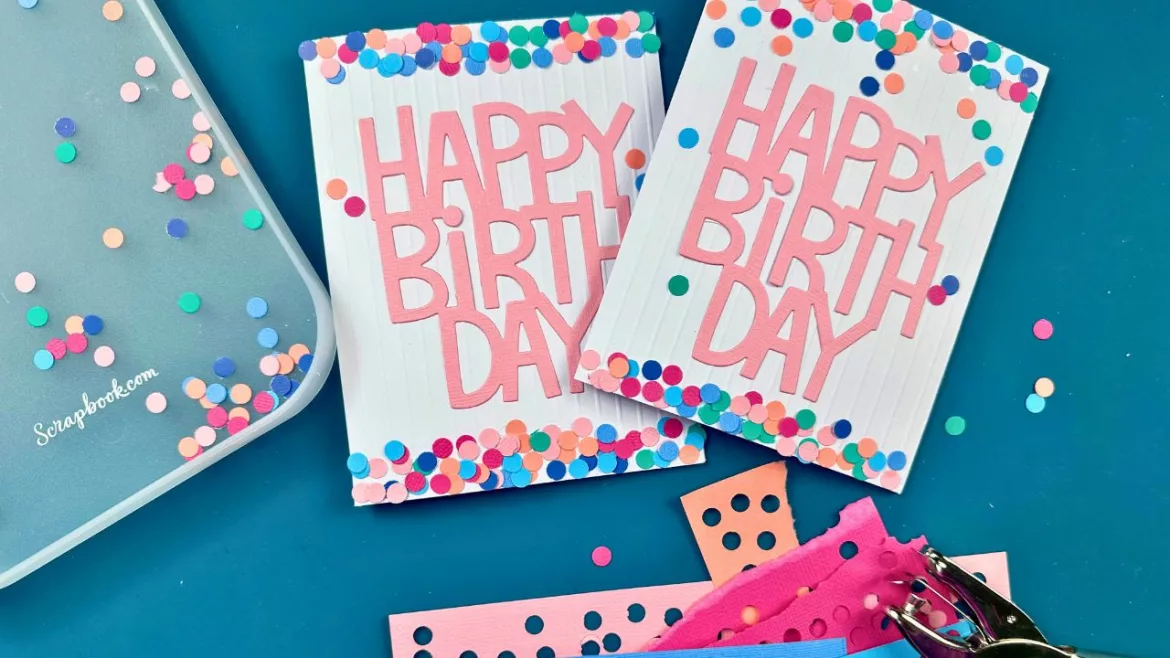
When gathering trash and recycling from my studio, I noticed various hole punches on the floor around my recycling and decided to challenge myself to make something from hole punches so I would have uses for them moving forward. You know I love a good scrap project and this fits the bill. The obvious choice was a Birthday Card and I really love how it all came together. I shared both a video and a step by step guide.

Scrappy Happy Birthday Card Video

Here’s the step by step, short video I recorded to walk you through how I brought this scrappy happy birthday (scrappy birthday?) card together. It’s short and to the point and I’d love it if you’d click in and watch it. I’d double love it if you hit subscribe!

I am an affiliate - this means if you click on a link on my website and make a purchase, I may earn a small commission at no additional cost to you. Thank you for supporting my work.

Card Supplies Needed

You could really make this card with only things you already have on hand – if you don’t have something I’ve shared in the video, there are infinite alternatives – I’ve listed a few in the supply list below.

  • Hole Punch (you could also use a circle punch!)
  • colorful card stock scraps
  • something to hold all of the colorful hole punches in
  • liquid glue – I shared Tombo Mono Aqua, Zig, and Clear Elmer’s Glue in a Small Bottle
  • 4.5X5.5 card front – I use the card bases below, cut in half)
  • scoreboard tool
  • craft tweezers
  • tape runner
  • card base

How to Make my Scrappy Happy Birthday Card

Step 1: Hole punch your colorful cardstock scraps or just use whats already in your hole punch that you’ve been saving. I found my hole punch worked much better with 65lb cardstock than my 80lb card stock – it wouldn’t work at all with 100lb.

Step 2: Score your card front panel at ever 1/4″ mark to create a fun ridged texture

Step 3: apply a coat of liquid glue about 1/8th of the way up your card base

Step 4: Dunk your card base in your colorful holes. Use your fingers to make sure everything is adhered. If necessary, take your clue and apply a few holes by hand to cover up blank spots.

Step 5: Glue a few holes above this section to imitate holes falling down

Step 6: Repeat the process on the other end of the card

Step 7: Apply your sentiment die cut (or whatever you’re using to the front of the card

Step 8: Fill in the blank space with a few remaining colorful holes

Step 9: Adhere your card front to the card base

I’ll be back to share a few more ideas I had to use up these colorful bits and bobbles in additional craft projects so be sure to watch the blog and channel for those – in the meantime, I’d love to hear your ideas – how do you use these little colorful hole punches?

0 comments
0 FacebookTwitterPinterestEmail
Crochet Tips

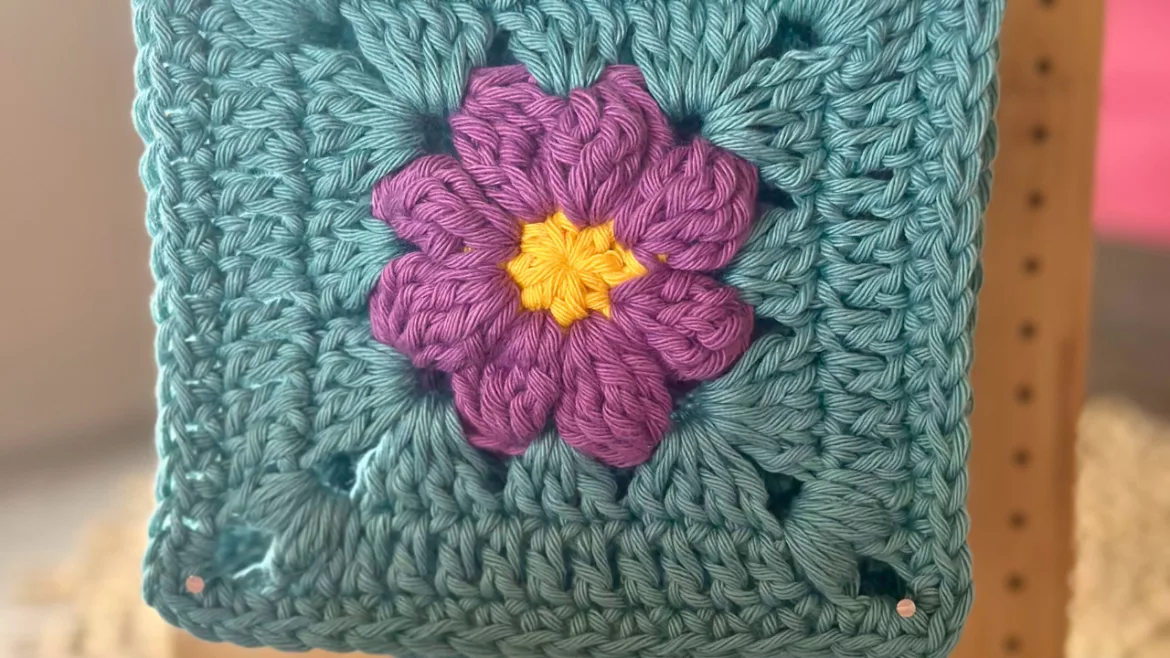
Why You Should Block Crochet Projects (and How to Do It Right)

by Brandy Burke April 25, 2025

If you’ve ever finished a crochet project and thought, Hmm… this looks a little wonky, then let me introduce you to your new best friend: blocking. Blocking is one of those finishing steps that feels skippable—until you try it once and realize it’s the secret sauce to crisp stitches, perfect shapes, and that polished “I swear I bought this” look.

I am an amazon affiliate. This means, if you click on a link on this website and make a purchase, I may receive a small commission. Thank you for supporting this website.

6 Reasons Why You Should Block Your Crochet Projects

  1. Straightens out your stitches. Blocking helps even out tension and makes your work look cleaner and more uniform.
  2. Defines lace patterns. Especially important for openwork and lacy designs—blocking brings out all that detail you worked so hard on.
  3. Helps with shaping. Got a wonky square that’s more trapezoid than granny? Blocking can help fix that.
  4. Improves drape. Certain fibers (especially natural ones) soften and relax when blocked, giving your project a beautiful flow.
  5. Helps pieces fit together. Blocking is a lifesaver when seaming garments or blankets—everything just fits better.
  6. Gives a professional finish. Whether you’re gifting, selling, or keeping it for yourself, blocked projects just look next level.

Blocking Boards vs. Foam Mats

When it comes to setting up your blocking station, you’ve got two main options: blocking boards or foam mats.

  • Blocking boards are usually made of sturdy material with pre-printed grids—great for precision work like squares or garments. They also usually come with a stand so it can double as decoration while it holds your piece.
  • Foam mats (like the kids’ playmat kind) are budget-friendly, easy to store, and super versatile. Just grab some T-pins and a measuring tape and you’re good to go.

My tip? If you’re just getting started, foam mats are perfect. You can even mix and match them to fit bigger projects.


Steam Blocking vs. Dry Blocking

There are a few different methods to block your crochet depending on the fiber you’re working with and the results you want.

Steam Blocking

  • Best for: Acrylic yarn or acrylic blends.
  • How-to: Pin your item into shape, then use a steam iron or garment steamer held a few inches above your project (don’t touch the yarn!). Let it dry completely.
  • Why it’s great: Quick and effective, especially for synthetic yarns that don’t respond to wet blocking.

Here’s the steamer that I recommend

Wet Blocking

  • Best for: Natural fibers like cotton, wool, or bamboo.
  • How-to: Gently soak your project in lukewarm water, roll it in a towel to remove excess moisture, then pin it into shape and let it air dry.
  • Why it’s great: Helps natural fibers relax and gives you more control over shaping.

Bonus: DIY Fabric Stiffener with White Glue

If your crochet project needs to hold its shape—think bag charms, ornaments, or crochet granny square earrings—you can make your own fabric stiffener using just white glue and water.

Recipe:

  • Mix equal parts white school glue and water.
  • Dip or brush it onto your project until fully saturated.
  • Shape it and let it dry thoroughly.

Pro tip: Use gloves unless you’re into crunchy hands. (No judgment.)


Blocking might seem like a tiny detail, but it makes a huge difference. Whether you’re making lacy shawls, granny square blankets, or crochet earrings (shameless plug!), blocking is the glow-up your crochet projects deserve.

0 comments
0 FacebookTwitterPinterestEmail
Crochet Patterns

Crochet Water Bottle Holder Patterns

by Brandy Burke April 25, 2025

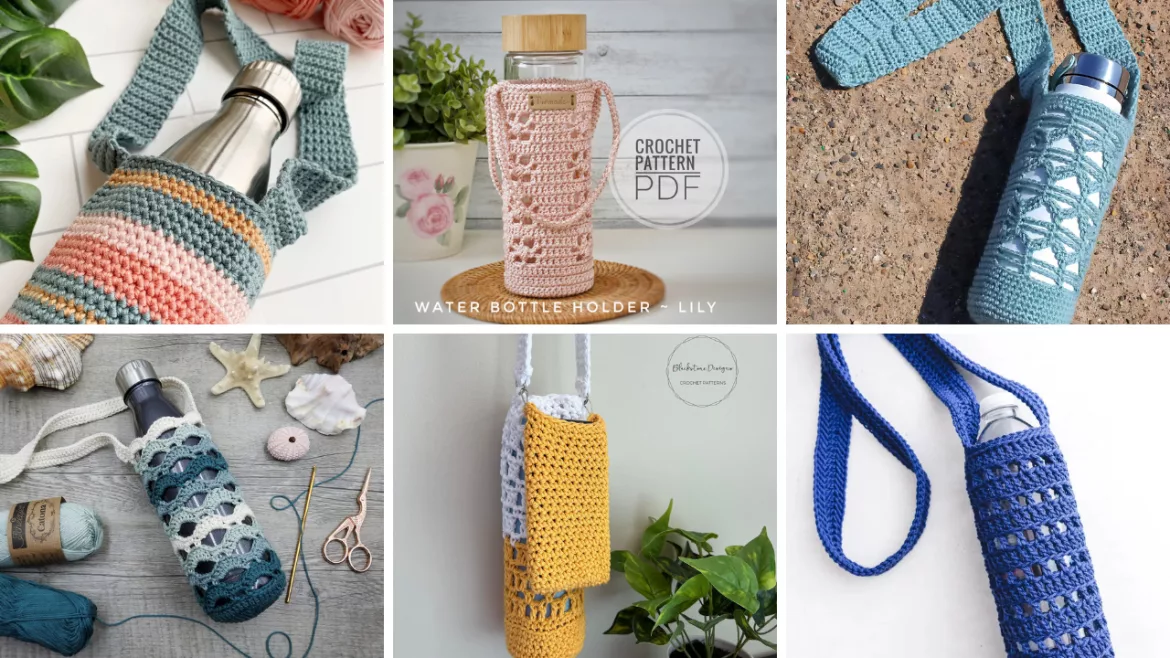
I’ll be honest—I’ve never been a big fan of water. I know it’s good for me. I know hydration is important. But unless it’s disguised as Diet Dr. Pepper, I tend to forget it exists. That is… until I made a couple of crochet water bottle holder patterns. Something about slinging that cute, handmade carrier over my shoulder makes me feel like a hydrated goddess on a woodland adventure (even if I’m just walking around Target).

In this post, I’m sharing my absolute favorite crochet water bottle holder patterns—the ones that are cute and functional. Whether you’re headed to a festival, taking a walk, or just trying to trick yourself into drinking more H2O like me, these patterns might just make you want to drink up, too

I am an Etsy Affiliate - this means that if you click on any link and make a purchase, I may receive a small commission. Thank you for supporting these small businesses and my website all with one click!
  1. Beach Vibes Water Bottle Holder by CAABCroche
    Features: two sizes, simple stitches, positive reviews
  2. Crochet water bottle holder by VivmadeCrochet
    Features: simple stitches, step-by-step photos, tested
  3. Bergen Bottle Cozy Crochet Pattern by Topnotchonly1
    Features: beginner friendly, easily customizable
  4. Salty Sea Waves Crochet Crossbody Water Bottle Bag, By FluffyWoollyMammoth
    Features: beginner friendly, US and UK terms
  5. Crossbody Water Bottle Holder with Pocket by BlackstoneDesigns
    Features: beginner friendly, customizable, tested
  6. Easy Crochet Water Bottle Holder Pattern for Beginners by SarahMakerShop
    Features: beginner friendly, photo tutorial

If you’re looking specifically for Crochet Stanley Water Bottle Carriers I’ve Got You here!

These pattern creators have done a fabulous job and put in a lot of work to create their patterns. Even if you don’t purchase one, favoriting their listing goes a long way 🙂

Colorful Crochet Water Bottle Holders Made with Cotton yarn

Things to Consider when Crocheting a Water Bottle Holder

When making a crochet water bottle holder, it’s important to consider the specific needs of the project to ensure it’s functional and practical. Start by thinking about the type and size of the water bottle. If it’s for a stanley water cup, you’ll want to choose a pattern specifically for that type of cup – see this post on crochet stanley water bottle carriers. Consider the recipient’s lifestyle: is it for a hiker who needs a crossbody strap, or a child who might prefer a shorter handle or fun colors? If the user is on the go, adding a small pocket for keys or lip balm could make the holder even more useful. Finally, choose a yarn that’s machine washable and durable, especially if the bottle will be used outdoors or by kids—so it can easily be cleaned and reused without losing its shape or strength.

The Best Yarn for Crochet Water Bottle Holders

The best yarn for making water bottle holders is a sturdy, durable cotton yarn – preferably a worsted weight or thicker. Cotton offers minimal stretch, which is ideal for securely holding a bottle without sagging over time. Unlike acrylic, which can stretch out and lose its shape dramatically, cotton mostly maintains structure and strength even when wet, making it perfect for everyday use and outdoor activities. For extra durability, a cotton-blend yarn with a touch of nylon or polyester can add some flexibility while still maintaining the overall sturdiness needed to safely carry a full bottle. Choose a tightly spun yarn to prevent fraying and ensure long-lasting wear. Of course, check the recommended yarn in your crochet water bottle holder patterns to ensure the project turns out as expected.

How to Make a Durable Strap

To make a durable crochet strap for a water bottle holder that won’t stretch and end up bouncing against your knees, use a dense stitch like single crochet or slip stitch, which creates a firm, tight fabric that resists stretching. Crochet the strap with a shorter initial length than you think you need knowing that it will naturally give a little once weight is added. To add even more durability, consider folding the strap lengthwise and seaming the edges together or crocheting a strap cover around a piece of cotton webbing or nylon strapping. This reinforcement helps maintain shape and prevents sagging, even with frequent use. I also recommend using a stitch like the crab stitch as an edging for bag straps because it adds both decoration and durability to the strap.

Crap Stitch Video Tutorial

In this video I quickly walk you through an easy crab stitch tutorial – you’ll wonder why you never thought to try this on your own before!

0 comments
0 FacebookTwitterPinterestEmail
Crochet Patterns

My Top 6 Crochet Stanley Water Bottle Holder Patterns

by Brandy Burke April 25, 2025

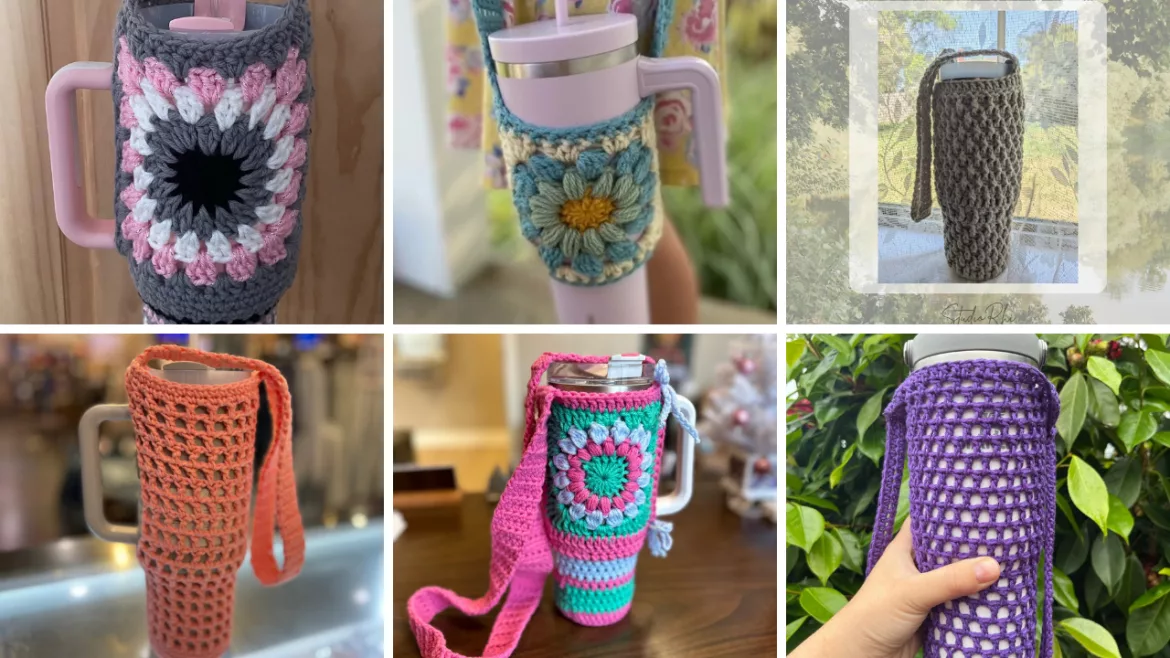
If you’re anything like me, your Stanley cup is basically your emotional support water bottle—and naturally, it deserves a little handmade love. Whether you’re jazzing it up for yourself or whipping up a thoughtful gift, a crochet Stanley water bottle holder or cozy is the perfect way to add some style (and maybe a bit of sass) to your hydration game.

I’ve rounded up my six favorite crochet Stanley water bottle holder patterns that are fun, functional, and just the right mix of cute and practical. These designs cover everything from cozy cup slings to decorative wraps, and they’re beginner-friendly with a few that’ll challenge your skills just enough to keep things interesting.

Grab your hook, pick your yarn, and let’s dress up that cup like the hydration queen it is.

I am an Etsy affiliate. This means that if you click on a link and make a purchase, I may earn a small commission. Thank you for supporting this website and these small businesses.
  1. Stanley Cup Crossbody Crochet Pattern StitchCraftbyMisty
    Features: 40oz size, positive reviews
  2. 40 oz crochet crossbody Pattern by StitchedbyShari
    Features: 40oz, simple design
  3. Alpine Stitch Stanley Cup Carrier Pattern by StudioRhi
    Features: 40oz, textured pattern
  4. Stanley 40oz Tumbler Carrier Crochet Tumbler Holder by CrochetByAlek
    Features: 40oz, beginner stitches
  5. 40 oz cupholder/crossbody pattern by TheKrochetKween
    Features: 40oz, crossbody – please note reviews share this is a “bare bones” pattern
  6. Crochet Stanley ‘Ice Flow’ Bottle Carrier -Beginner Friendly by CalypsoCrochets
    Features: beginner friendly, simple stitches

The above makers have really created some cool stanley water bottle holders – go give them some love. Even if you don’t buy, a simple favorite of their item goes a long way!

Best Yarn for Crochet Stanley Water Cup Holders

For a Stanley cup holder, the best yarn choice is a sturdy, non-stretch yarn like 100% cotton or a cotton-linen blend. Stanley cups are heavy, especially when full, so the yarn needs to hold its shape without stretching or sagging. Cotton provides excellent strength and structure, and it doesn’t become overly stretchy with weight or wear like acrylic can. Look for a worsted or bulky weight cotton to give the holder enough body to support the cup’s size and weight. If you want a bit more durability or weather resistance, a cotton blend with a touch of polyester or nylon can add reinforcement while still keeping the project washable and practical for everyday use. Be sure to consult the crochet stanley water cup holder patterns that you’re working with for yarn recommendations to ensure your project turns out as expected.

Most water bottle holder patterns require minimal yarn so you can use scrap yarn in your stash.

Holders for Other Types of Water Bottles

If you’re looking for other types of crochet water bottle holder patterns then you can check out my other related post. Water bottles and cups are very personal to each person and there are plenty of options out there to customize the carrier to the person, their lifestyle, and the type of water bottle or cup they regularly carry.

0 comments
0 FacebookTwitterPinterestEmail
Crochet Patterns

Crochet Bag Charm Patterns

by Brandy Burke April 25, 2025

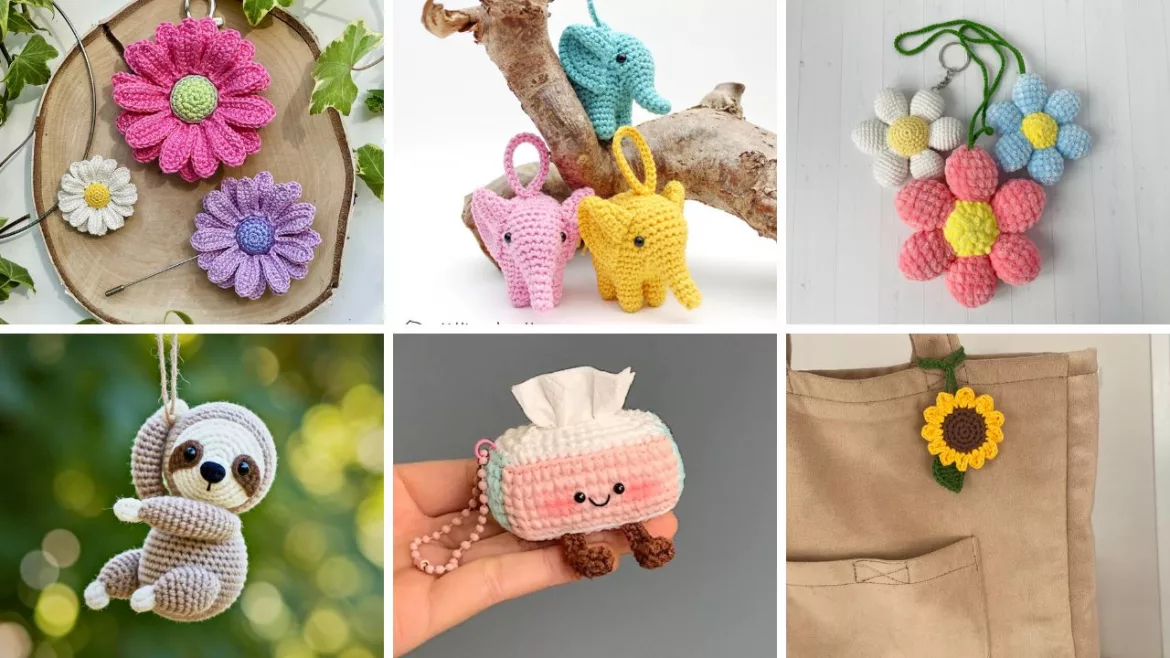
If you’re anything like me, your bag isn’t complete without a little handmade flair swinging from the zipper. Crochet bag charms are the perfect way to show off your personality, use up scrap yarn and whip up a quick project that makes you (and everyone who sees it) smile. Today I’m sharing my top 6 personal favorite crochet bag charm patterns—the ones I keep coming back to again and again. From a too-cute-for-words sloth to a hilariously relatable dumpster fire, and more flowers than your local farmer’s market, these little makes pack a punch of charm.

I am an etsy affiliate. That means by clicking on any of the below links and making a purchase, I may receive a tiny commission. Thank you for supporting this blog and these small businesses.
These photos belong to the respective shops
  1. Flower pendant bag charm by CrochetbyNataErkhova
    Features: Pendant, broach, and keychain information
  2. Elephant Bag Purse Charm by Millionbells
    Features: Simple stitches, scrap yarn friendly
  3. Flower bag charm by ThreadTutorial
    Features: Intermediate skill level, photo tutorial
  4. Sloth Bag Charm by Fuzzifypatterns
    Features: Unique item, step-by-step photos
  5. Tissue Box Bag Charm by Hooktasyy
    Features: Unique design
  6. Sunflower Bag Charm by MaroonCatDesign
    Features: Rave reviews

Make one for every bag you own (or multiple for one bag! These would also be absolutely adorable on a crochet water bottle holder!

The Best Yarn for Crochet Purse Charms

The best yarn for crochet purse charms – much like amigurumi – is a tightly spun, smooth yarn that holds its shape well, such as 100% cotton or a cotton-acrylic blend in a DK or worsted weight. Cotton yarn is ideal because it creates crisp stitches and doesn’t fuzz easily, which keeps small details like eyes, limbs, or embellishments looking neat over time. Since purse charms are often handled, bumped around, or exposed to the elements, it’s important to use a durable, washable yarn that resists pilling. Bright colors and fun textures can add personality, but avoid overly soft or fuzzy yarns like chenille or mohair, as they can obscure detail and wear out quickly. A good rule of thumb is to use the same kind of yarn you would trust for a keychain or backpack charm – sturdy, structured, and easy to clean.

0 comments
0 FacebookTwitterPinterestEmail
Crochet Patterns

Crochet Easter Basket Patterns

by Brandy Burke March 30, 2025

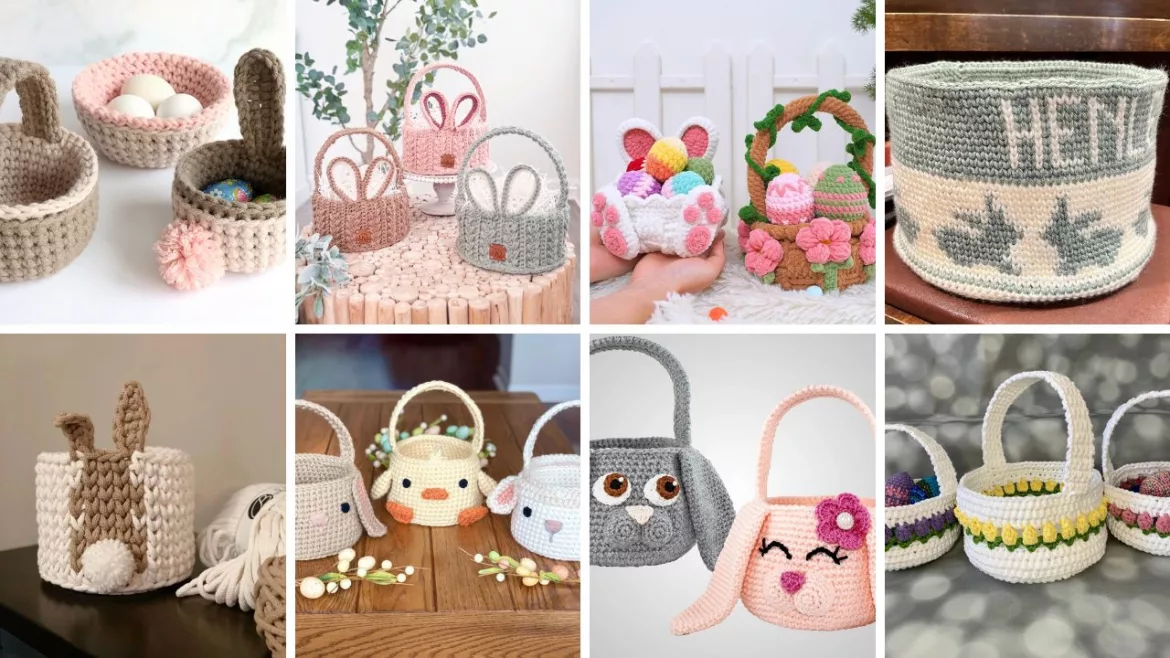
Easter is just around the corner, and there’s no better time to whip up a handmade basket for egg hunts, gifts, or festive decor! If you’re searching for Crochet Easter Basket Patterns, you’re in the right place. I’ve rounded up eight incredible designs from talented makers that are fun to create and perfect for celebrating the season.

I am an etsy affiliate - any link you click from and then make a purchase my result in me receiving a small commission. Thank you for supporting my site and these incredible small businesses when you purchase a pattern.

Crochet Basket Patterns for Easter

Crocher pattern creating and writing is an art – go support these incredible makers:

  1. Crochet Pattern Wheat Stitch Easter Bunny Basket by BrianaKDesigns
    Features: Advanced beginner, 4 row repeat
  2. Crochet Pattern Bunny Basket, Handled Basket and Nest in 2 Sizes by ElkeEder Designs
    Features: 2 sizes, learn the Doppelmasche stitch
  3. Bunny Basket Treats Crochet Patterns Bundle by Purely Works
    Features: Unique and fun, 2 sizes
  4. Easter Basket – Customizable Crochet Pattern by Henley’sMomsPatterns
    Features: Customize the name
  5. Crochet Bunny Basket PDF Pattern by mad4macrameco
    Features: 3 designs, photo tutorial
  6. Crochet Bunny, Lamb, and Chick Patterns by Crochettoplay
    Features: 3 designs, photo tutorial
  7. Crochet Bunny Basket Pattern by BriAbbyHMA
    Features: Simple stitches, 2 designs
  8. Tulip Easter Basket Crochet PATTERN by CallaLilyYarnWorks
    Features: Beginner friendly, 2 sizes

Even if you don’t purchase one of their patterns, simply favoriting their item or shop can go a long way!

Why Choose a Crochet Easter Basket This Year

A crochet Easter basket is a meaningful, eco-friendly alternative to the flimsy, mass-produced versions found in stores. Unlike cheap plastic baskets that often break or end up in the trash after one use, a handmade crochet basket is sturdy, reusable, and made to last for years. You can customize it with colors, themes, and personal touches to suit the recipient, making it a keepsake that adds sentimental value to every Easter celebration. Crafted from durable yarn like cotton or acrylic, these baskets can be spot-cleaned or washed and reused year after year – not just for egg hunts, but also as storage for toys, craft supplies, or seasonal décor. It’s a functional piece with heart.

Crochet Items to Include in Crochet Easter Baskets

Go all out by including crochet gifts in your easter baskets – here are a few of my favorite patterns and projects to consider:

  • Crochet Granny Square Earrings
  • Crochet Bag Charms
  • Crochet Water Bottle Holders
  • Crochet Bracelet Patterns

0 comments
0 FacebookTwitterPinterestEmail
Crochet

Crocheting Sustainably: Natural, Recycled & Scrap Yarn Option

by Brandy Burke March 16, 2025

As a long time mostly vegan vegetarian, I don’t participate in anything derived from animals, and that includes yarns. In this case, it helps that I also have a skin sensitivity to many natural fibers – but I love to crochet – so when possible, I choose eco-friendly alternatives for more responsible crafting.

I’m a human and I don’t get it right all of the time, but every time I do get it right, it makes a difference, however tiny.

What did I miss? What did I get wrong? Let me know in the comments!

I am an affiliate – any link you click on in this post or on this website may be an affiliate link. This means if you click on the link and purchase, I may receive a small commission at no additional charge to you. Thank you for supporting my work.

Eco-Friendly Alternatives to Animal-Based Fibers

For those seeking vegan or plant-based options, several sustainable yarns are available, most you’ve heard of or probably used.

  • Organic Cotton: Grown without harmful pesticides and chemicals, organic cotton is durable and washable, and makes it a popular choice for eco-conscious crochet.
  • Bamboo: Bamboo yarn is lightweight, breathable, and has a silky texture. It’s a fast-growing, renewable resource, adding to its eco-friendly credentials.
  • Hemp: Hemp yarn is strong, durable, and becomes softer with each wash. It’s also naturally resistant to pests, and that reduces the need for pesticides.

Sustainable Synthetic Options

While synthetic fibers like acrylic and polyester are petroleum-based which makes it hard to classify them as sustainable, some brands offer recycled versions and that at a minimum ensures that more of what is produced is used:

  • Recycled Polyester: Brands like Loops & Threads offer Eco-Luxe, a super bulky yarn made from 65% recycled polyester, 25% acrylic, and 10% wool.
  • Recycled Blends: Berroco Remix Lite and Berroco Remix are DK and worsted weight alternatives made from 30% recycled nylon, 27% recycled cotton, 24% recycled acrylic, 10% recycled silk, and 9% recycled linen.

Reading Yarn Labels for Sustainable Choices

To make informed decisions, it’s essential to understand yarn labels:

  • Fiber Content: Look for labels indicating organic or recycled materials.
  • Certifications: Certifications like OEKO-TEX Standard 100 ensure the yarn has been tested for harmful substances. Many Premiere Yarns are certified and they have an entire page on their website to shop from, you’ll find Hobbii has a way to shop from Oeko-Tex yarns as well
  • Origin: Yarns labeled as fair trade or ethically sourced often come from suppliers who prioritize environmental sustainability and fair labor practices.

Eco-Friendly Yarn Choices I Love

If you’re looking for specific yarn brands that align with sustainability, here are some of my favorite picks:

  • Lion Brand Recycled Yarns: Lion Brand has an entire collection dedicated to sustainable stitching, featuring recycled and eco-friendly fibers. You can explore their full range here: Lion Brand Sustainable Stitching.
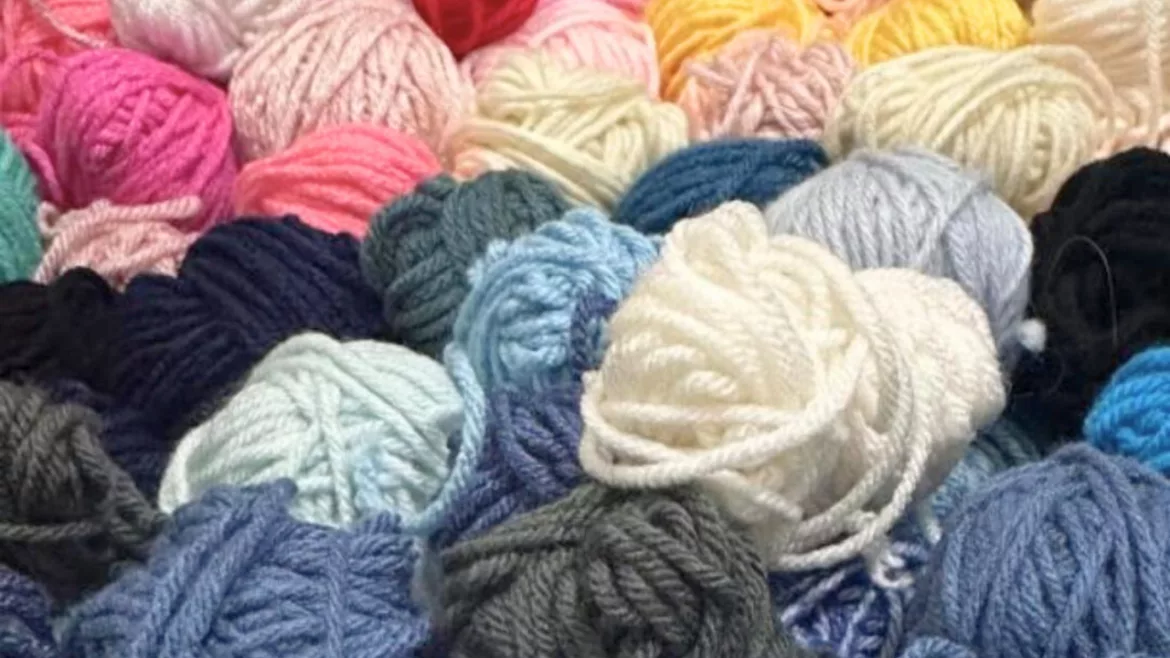
  • Scrap Yarn Projects: One of the best ways to be sustainable is to use what you already have! I love making fun, colorful projects with scrap yarn that would otherwise end up in the trash. Check out this guide on how to create scrap yarn balls

Choosing sustainable yarns for crochet involves understanding the origins and production methods of the fibers and that becomes easier over time. Whether opting for responsibly sourced animal fibers or plant-based alternatives, being mindful of the materials you use contributes to a more sustainable and ethical crafting practice. Again, I don’t get it right all the time, but getting it right any of the time is better than getting it right none of the time!

0 comments
0 FacebookTwitterPinterestEmail
Crochet Patterns

Crochet Bracelet Patterns that are Actually Cute

by Brandy Burke March 11, 2025

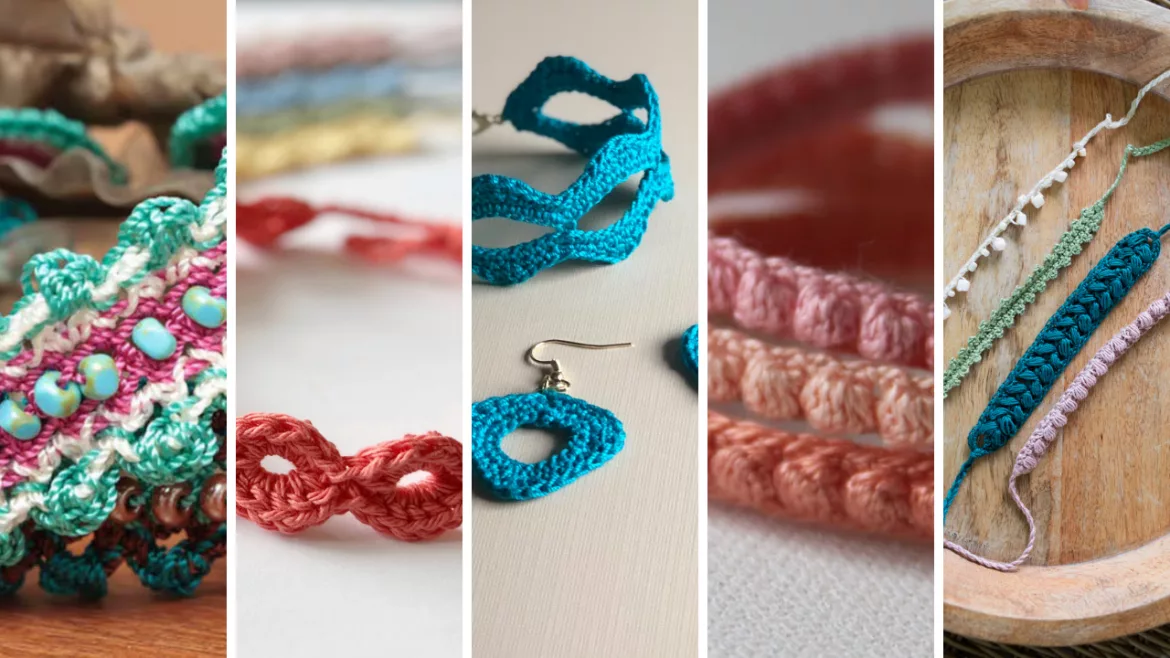
It’s warming up outside and I’m feeling rather summery (a little too soon, but I’m not backing down) – and I started to look for some cute summer items to crochet – I found beach bags and bucket hats but was specifically looking for some cute crochet bracelets and crochet earrings and tbh, the bracelet selection isn’t off the charts – I did find ten that stand out and I’m sharing them here.

Don't forget, I'm an affiliate for many companies so if you click on a link on this website and make a purchase, I'll receive an affiliate commission at no additional cost to you. Thanks for supporting these small Etsy creators and this website.

10 Crochet Bracelet Patterns to Try

1. Crochet Pattern – How to Crochet a Beautiful Bracelet How to Crochet Jewelry Fans Bracelet – English OnlyKweenBee
Features: Made with crochet thread, buttons
2. Crochet Bracelet Pattern Set by CrochetBeignet
Features: 4 Different Patterns, Crochet Thread
3. Crochet Bracelet PATTERN (Free DIY Tutorial quick easy cute kawaii beginner yarn accessory girl women unisex fashion adjustable bead beaded) by SweetSoftiesCo
Features: Step-by-step video tutorial, Adjustable
4. Crochet Pattern Bobble Bracelets Bangles Cuffs by mygiantstrawberry
Features: Made with crochet thread, simple stitches
5. La Plage Bracelet Crochet Pattern, Crochet Bracelet, Crochet Jewelry, Granny Square Bracelet, Statement Bracelet, Crochet Bracelet Cuff by LoveLifeYarn
Features: Made with crochet thread, granny squares
6. Crochet Jewelry Tutorial, Beaded Bracelet Pattern, Easy DIY, Crochet Bracelet Pattern, Crochet Jewelry Beads, Boho Bracelet Tutorial (28) by velvetheartpatterns
Features: Made with crochet thread, beads
7. Crochet Pattern Bracelet Button, Crochet Jewelry Pattern, Crochet Cord Bracelet Pattern by BeautyCrochetPattern
Features: Made with Sport yarn, step-by-step photo tutorial
8. Adah Bracelet and Earring set- Digital Crochet Pattern- PDF File Format by ChaliasCraft
Features: Made with crochet thread, matching earring and bracelets
9. Crochet Pattern – Summer Breeze Cotton Crochet Hair Band Pattern for Baby, Toddler, Child and Women – Includes Video Tutorial by PrettyDarnAdorable 
Features: One Size Fits All, Video Tutorial
10. Daisy Crochet Bracelet Pattern,Friendship Bracelet Pattern, Spring Fashion Accessories,Crochet Gift Idea,Crochet Accessories,Gift For Friend by HandmadeByDestan
Features: Single Crochet

Even if you don’t make a purchase from one of the shops above, simply favoriting their item can go a long way in supporting their small business.

How to Choose a Yarn for Crochet Bracelets

The best yarn for crochet bracelets is smooth, lightweight, and durable—typically mercerized cotton or a cotton-blend thread. Mercerized cotton is especially ideal because it has a subtle sheen, resists fraying, and holds up well to frequent wear, making it perfect for showcasing detailed stitches in small-scale projects. For finer, more delicate bracelets, crochet thread in sizes 3 to 10 works beautifully, while DK or sport-weight cotton can add a chunkier, modern feel. It’s important to choose a yarn that’s soft against the skin but strong enough not to stretch out or lose shape over time. Avoid fuzzy or bulky yarns that can feel uncomfortable or make the bracelet look unfinished. Bonus: crochet bracelets use very little yarn and are a perfect use for scrap yarn balls.

Crochet bracelets make a great gift or tuck in (think about stuffing them in easter eggs in crochet easter baskets) for your friends and family and an awesome impulse buy at the register for your markets this year.

0 comments
0 FacebookTwitterPinterestEmail
Newer Posts
Older Posts
Dishie yarn by Crochet.com

Recent Posts

  • DIY Crochet Earmuff Patterns You’ll Actually Want to Wear
  • Pink Bow Baby Shower Theme
  • Table Cloth Bows for Baby Showers
  • Crochet Baby Bootie Centerpieces for Babyshowers
  • Free Haunting Handmade Item Caretag

Recent Comments

  1. Joyce Melonson on Small Crochet Granny Square Earrings
  2. Crochet For Cancer Printable - on Crochet Chemo Caps
  3. The Best Yarn Storage - on Craft Room Tour
  4. My Best Yarn Tips - on Free Work in Progress Notes Printable
  5. My Best Yarn Tips - on Yarn Bowl Alternatives

Subscribe For instant Freebies AND stay updated!

Hook and Paper is a participant in the Amazon Services LLC Associates Program, an affiliate advertising program designed to provide a means for sites to earn advertising fees by advertising and linking to amazon.com. “This site uses cookies from Google to deliver its services and analyze traffic. Your IP address and user-agent are shared with Google along with performance and security metrics to ensure quality of service, generate usage statistics, and to detect and address abuse.”

Facebook Twitter Youtube Linkedin Envelope Rss

Useful Links

    • Work With Us
    • Contact Us
    • Collaboration
    • Adverstising
    • Privacy Policy
    • Feedback
    • Terms of Use

Edtior's Picks

DIY Crochet Earmuff Patterns You’ll Actually Want to Wear
Pink Bow Baby Shower Theme
Table Cloth Bows for Baby Showers

Latest Articles

DIY Crochet Earmuff Patterns You’ll Actually Want to Wear
Pink Bow Baby Shower Theme
Table Cloth Bows for Baby Showers
Crochet Baby Bootie Centerpieces for Babyshowers

©2024 Hook and Paper

  • About
  • Policies
  • Affiliate Disclosure
  • Contact Us
  • What is Crochet
Hook and Paper
  • About
  • Crochet
    • Crochet Tips
    • Crochet Tools
    • Crochet Patterns
    • Crochet Printables
  • Crafting
  • Craft Organization
  • Contact Us